
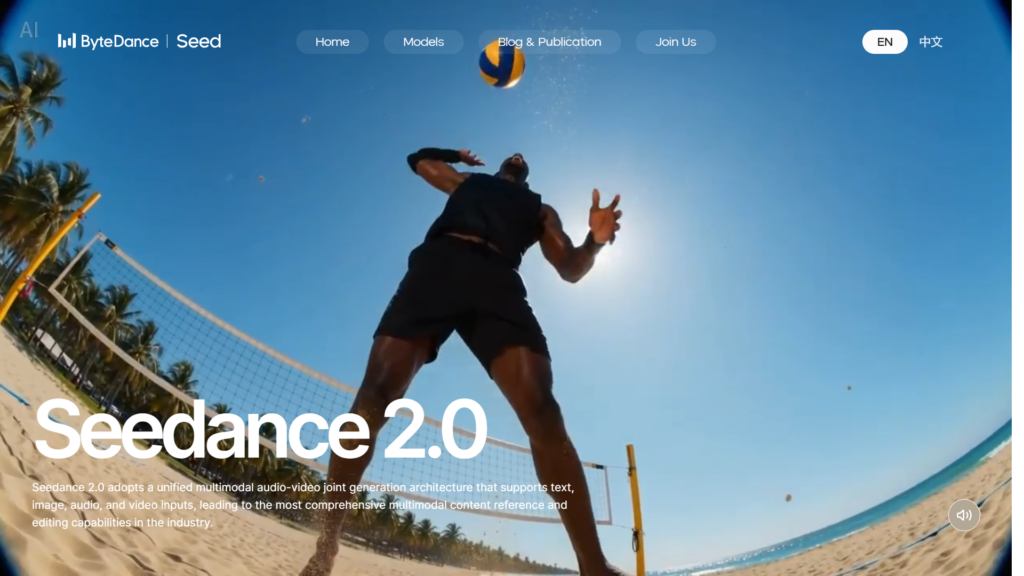
ByteDance has launched Seedance 2.0, a groundbreaking AI video generator that’s making waves in the creative industry, for both its impressive capabilities and the legal firestorm it’s sparked.
What Makes It Special:
Seedance 2.0 represents a major leap in AI video generation technology. Built on a unified multimodal audio-video architecture, it accepts up to 12 assets at once—combining text, images, videos, and audio to create cinematic-quality content. The model can handle complex multi-participant scenes, generate synchronized audio effects, and maintain remarkable character consistency across entire videos.
Key improvements over version 1.5 include dramatically enhanced motion stability, better physics accuracy, and the ability to generate complete multi-shot sequences with smooth transitions. Users can upload reference videos to replicate choreography, camera movements, or cinematic styles with just a simple text description—no detailed prompts needed.
The Hollywood Backlash:
Despite its technical prowess, Seedance 2.0 has triggered swift condemnation from major entertainment industry players. Disney, Paramount, and other studios have sent cease-and-desist letters to ByteDance after viral videos showed AI-generated content featuring copyrighted characters and celebrity likenesses without authorization. A particularly controversial clip showing “Tom Cruise” and “Brad Pitt” in a fight scene drew sharp criticism from SAG-AFTRA and the Motion Picture Association.
What’s Next:
Following the legal threats, ByteDance has pledged to strengthen safeguards on the platform, though specific measures remain unclear. The controversy highlights the ongoing tension between AI innovation and intellectual property rights—a debate that will likely shape the future of generative AI technology.
For creators, Seedance 2.0 offers unprecedented creative control and efficiency. For Hollywood, it represents a potential existential threat to traditional content creation and IP protection.